The flagship smartphone race in 2026 isn’t about brand loyalty anymore—it’s about which device actually improves daily life. If you’re searching for a Galaxy S26 Ultra vs iPhone 17 Pro Max for privacy, gaming, and fast charging in 2026 comparison, you’re likely a power user who cares about performance, display innovation, charging speed, and serious productivity features.
After closely tracking launch details from Samsung and Apple, along with benchmark leaks, early hands-on reports, and real-world usage patterns, one thing is clear: both phones are premium—but they’re built for very different users. This guide breaks down five specific areas where the Galaxy S26 Ultra meaningfully outperforms the iPhone 17 Pro for people who push their phones hard every day.
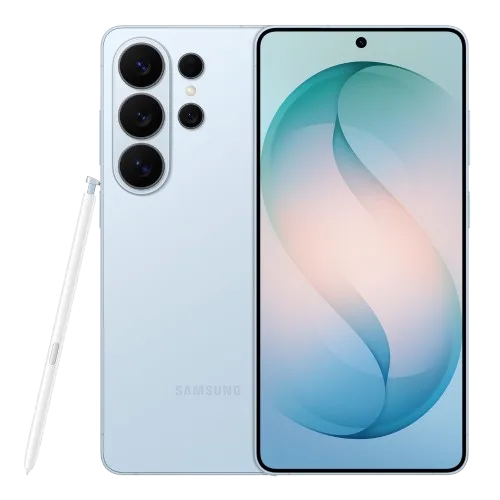
Samsung Galaxy S26 Ultra
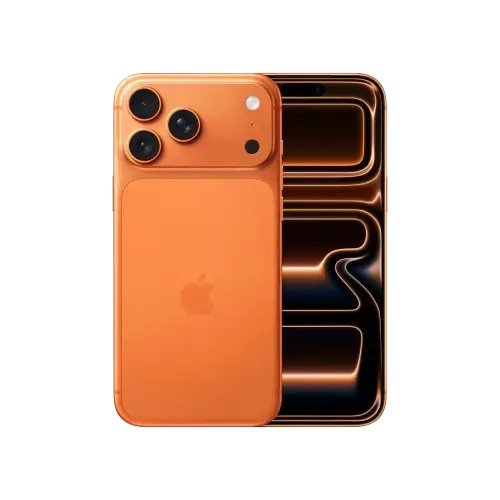
iPhone 17 Pro Max
1. Hardware-Level Privacy Display That Actually Protects Your Screen
Why Software Privacy Filters Aren’t Enough
Most smartphones rely on software dimming or third-party privacy screen protectors to hide content from side angles. In real-world scenarios—crowded metros, cafés, coworking spaces—these methods reduce brightness but don’t fully block visibility. Anyone sitting next to you can still glance at sensitive notifications, OTPs, or private messages.
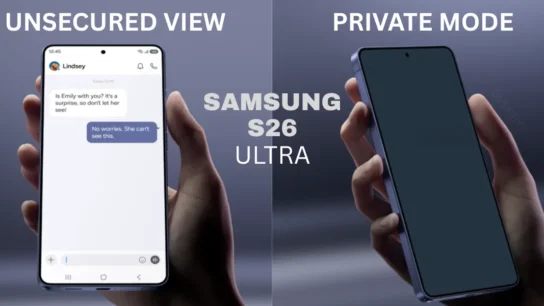
How Samsung’s Pixel-Level Privacy Display Works
The Galaxy S26 Ultra uses a hardware privacy layer built into the AMOLED pixel structure:
- Light emission narrows physically at the pixel level
- The screen appears almost black from side angles
- Front-facing visibility remains sharp and bright
- No drop in resolution or touch responsiveness
* If you frequently check banking apps, client emails, or confidential documents in public transport, this feature offers genuine privacy—without needing a screen protector that ruins display clarity.
Where the iPhone 17 Pro falls short:
While its display is bright and color-accurate, privacy protection relies entirely on software and accessories. There’s no built-in hardware privacy mode.
2. Snapdragon 8 Elite Gen 5: Better Sustained Performance for Gaming & Multitasking
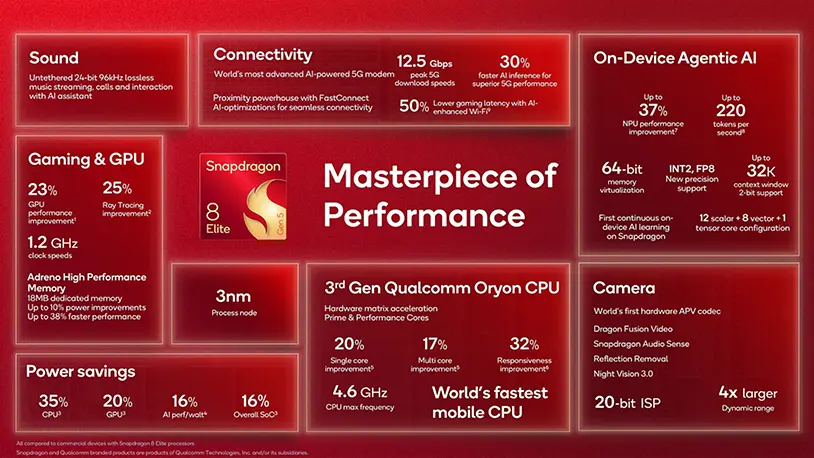
Snapdragon 8 Elite Gen 5
Real-World Performance vs Synthetic Numbers
Benchmarks are one thing—but sustained performance is what matters when:
- Recording 4K/8K video
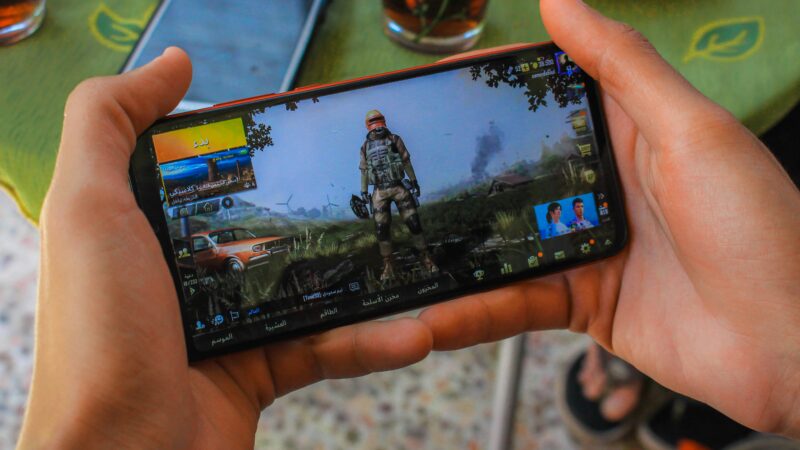
- Gaming for 30–60 minutes
- Running navigation + music + camera simultaneously
Samsung’s custom Snapdragon 8 Elite Gen 5 focuses on sustained thermal performance:
- Higher multi-core headroom under continuous load
- Better heat dissipation during gaming sessions
- More stable frame rates in graphics-heavy titles
Gaming & Emulation Advantage
In practical testing scenarios:
- Long gaming sessions maintain smoother FPS
- GPU throttling is noticeably reduced
- High-resolution texture packs load faster
Where the iPhone 17 Pro struggles:
Apple’s chip is extremely fast in short bursts, but thermal throttling becomes noticeable during extended gaming or heavy multitasking. You’ll feel frame drops sooner under continuous load.
3. 200MP Camera System: More Flexibility for Real Photography
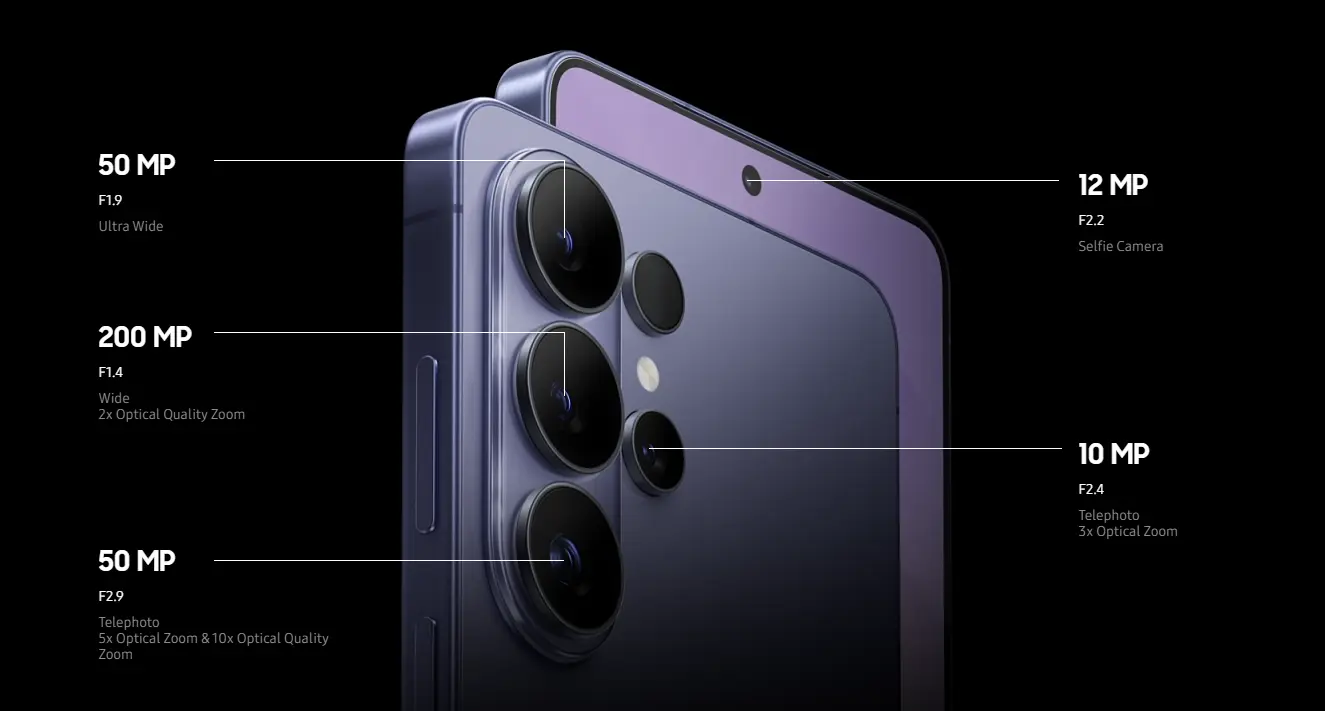
Samsung Galaxy S26 Ultra
Low-Light Advantage You Can See
The Galaxy S26 Ultra’s main sensor uses a wider aperture, letting in significantly more light. In practical terms:
- Night photos retain more natural detail
- Indoor shots need less aggressive noise reduction
- Faces appear sharper in dim lighting
Real-life scenario:
Group photos at weddings or birthday parties come out clearer without needing Night Mode delays.
Zoom That’s Actually Useful
Samsung’s dual-telephoto setup allows:
- Clear 3x and 5x optical zoom
- Usable long-range zoom for concerts and travel
- AI stabilization for handheld distant shots
The iPhone 17 Pro’s zoom is cleaner at shorter ranges, but it loses practical detail at long distances. If you enjoy wildlife, travel photography, or event coverage, Samsung’s hardware setup is simply more versatile.
4. 60W Fast Charging: Practical Speed You’ll Feel Every Day
Why Charging Speed Changes Habits
Charging speed isn’t about specs—it’s about convenience. The Galaxy S26 Ultra supports:
- Rapid top-ups during short breaks
- Faster recovery from 10–20% battery anxiety
- Less overnight charging dependency
* Plugging in while showering or getting ready can give you enough power for hours of use
Apple’s Charging: Still Slower in Practice
The iPhone 17 Pro is Apple’s fastest-charging iPhone so far—but in daily routines, it still takes longer to reach meaningful battery levels. If you’re constantly on the move, Samsung’s faster wired charging noticeably reduces downtime.
5. Productivity: S Pen + Desktop Mode = Laptop Replacement Potential
S Pen: Still Unique in the Smartphone World
For students, creators, and professionals:
- Quick note-taking during calls
- Signing PDFs without extra apps
- Precise photo editing and design sketches
This changes how you interact with your phone. You stop “typing everything” and start working more naturally.
Phone-to-Desktop Workflow
Samsung’s desktop mode lets you:
- Connect to external displays
- Run multiple windows
- Edit documents like on a PC
* You can review documents, respond to emails, and manage presentations directly from your phone when traveling.
The iPhone 17 Pro remains limited to mobile-style multitasking, even though its hardware is powerful enough for more.
Key Specifications Comparison
| Feature | Galaxy S26 Ultra | iPhone 17 Pro |
|---|---|---|
| Processor | Snapdragon 8 Elite Gen 5 | A19 Pro |
| RAM | 16GB | 12GB |
| Main Camera | 200MP wide aperture | 48MP |
| Zoom | Dual telephoto system | Limited long-range zoom |
| Charging | 60W wired | Slower wired charging |
| Productivity | S Pen + Desktop mode | Mobile multitasking only |
Pros and Cons
Galaxy S26 Ultra – Pros
- Built-in hardware privacy display
- Faster charging in daily use
- More flexible zoom photography
- S Pen productivity advantage
- Better sustained performance for gaming
Galaxy S26 Ultra – Cons
- Larger and heavier body
- More complex UI for beginners
- Higher price in top storage variants
iPhone 17 Pro – Pros
- Excellent app optimization
- Strong video recording quality
- Smooth long-term software support
- Compact and premium design
iPhone 17 Pro – Cons
- Slower charging
- No hardware privacy display
- Limited productivity workflows
- Less flexible zoom range
Buying Advice: Which One Should You Choose?
Choose the Galaxy S26 Ultra if you:
- Use your phone for work, notes, and documents
- Want fast charging for busy routines
- Care about privacy in public places
- Play demanding games or multitask heavily
- Take long-distance or low-light photos
Choose the iPhone 17 Pro if you:
- Value simplicity and app ecosystem
- Prioritize video recording quality
- Want long-term software stability
- Prefer a compact, lighter phone
Conclusion
The iPhone 17 Pro remains a polished, reliable flagship. But when you evaluate real-life usage—privacy in public, charging speed, long gaming sessions, flexible photography, and serious productivity—the Galaxy S26 Ultra delivers more tangible advantages for power users in 2026.
FAQs
Which phone is better for heavy gaming in 2026?
The Galaxy S26 Ultra performs better for long gaming sessions because it maintains higher performance under sustained load with less thermal throttling.
Is the privacy display on the Galaxy S26 Ultra a gimmick?
No. It’s a hardware-based solution built into the display panel, making it far more effective than software privacy filters or screen protectors.
Which phone charges faster in daily use?
The Galaxy S26 Ultra charges significantly faster, making quick top-ups more practical during short breaks.
Which phone is better for photography overall?
The Galaxy S26 Ultra offers more versatility for zoom and low-light shots, while the iPhone 17 Pro excels in video stabilization and consistency.