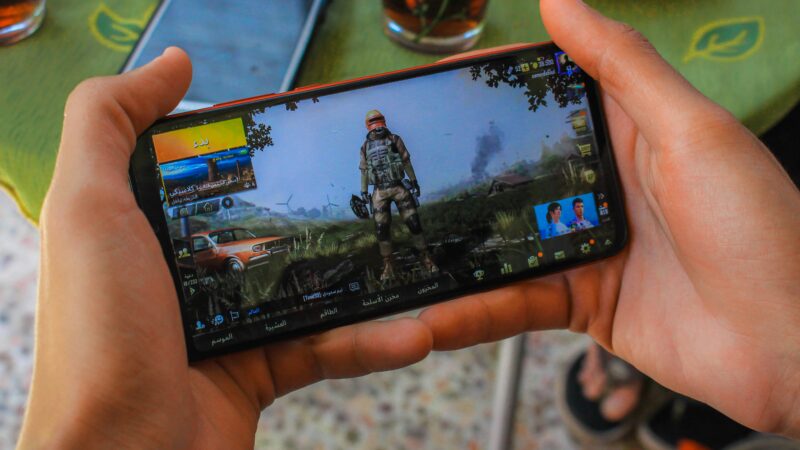
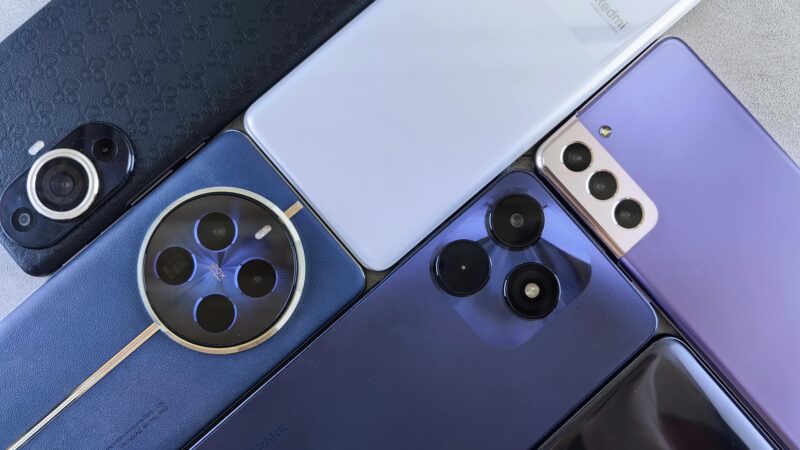
If you’re confused between spending ₹16,000 extra on the Vivo X300 or saving money with the Vivo X200T, you’re not alone. Both phones target power users in India, and on paper, the X300 looks superior. But after using both phones side-by-side for nearly a week—gaming, shooting photos and videos, running battery drain tests on 5G, and daily usage—I discovered that the real-world story is far more nuanced.
This Vivo X300 vs Vivo X200T detailed comparison for gaming, camera & battery in India breaks down everything that actually matters in 2026: performance stability, heating, battery backup on 5G, camera reliability in real-life conditions, software experience, and overall value for money.
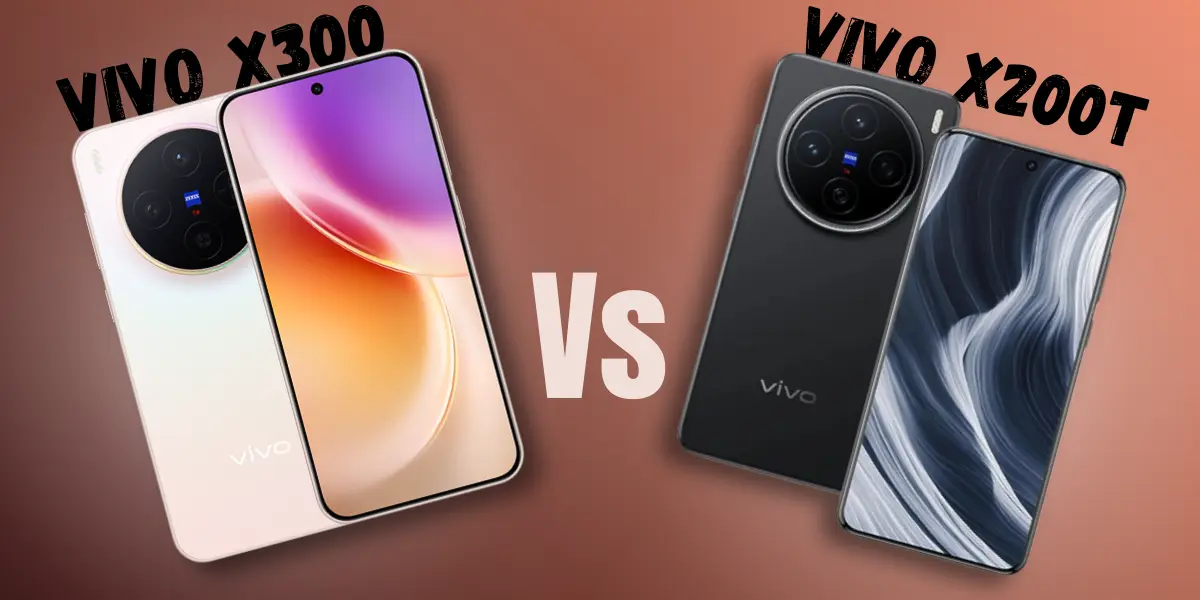
Vivo X300 vs X200T
Table of Contents
How This Comparison Was Tested (Real-World Usage)
To make this guide genuinely helpful, both phones were tested in everyday conditions, not just benchmarks:
- Heavy gaming sessions (BGMI, Genshin Impact, Wuthering Waves)
- 3-hour 5G battery drain test
- Outdoor brightness & fingerprint testing
- Low-light photography & portrait mode
- Long video recording sessions
- Daily usage: calls, social media, downloads, camera usage
This gives you a realistic idea of how these phones behave after you’ve actually bought them.
Design & Build Quality
At first glance, both phones look premium and feel solid in hand. However, the ergonomics and materials differ slightly.
What’s similar:
- Flat display + flat back
- Boxy design language
- Metal frame on both
- IP68 + IP69 water and dust resistance
- Dual SIM with physical SIM + eSIM support
What’s different:
- X300 is more compact, easier to handle with one hand
- X200T feels larger and slightly heavier, better for media consumption
- X300 uses a glass-fiber back
- X200T uses a true glass back, which feels more premium
Insight:
If you prefer compact phones, X300 feels more refined. If you like bigger screens and don’t mind extra size, X200T is more comfortable for long content consumption.
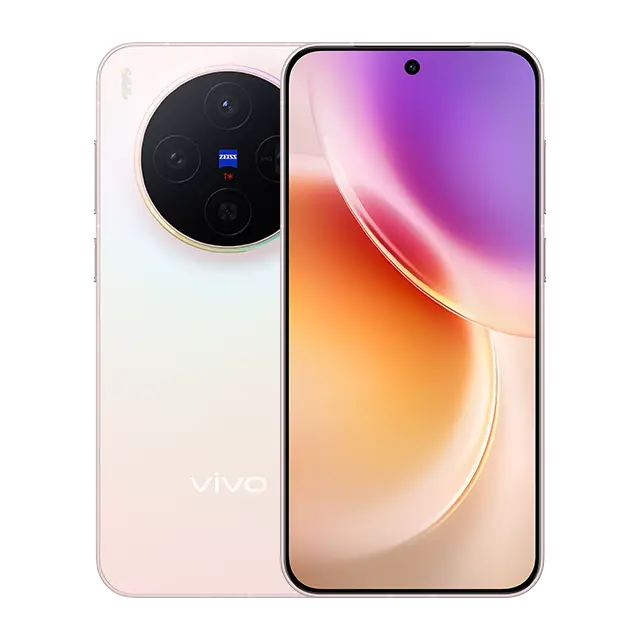
Vivo X300
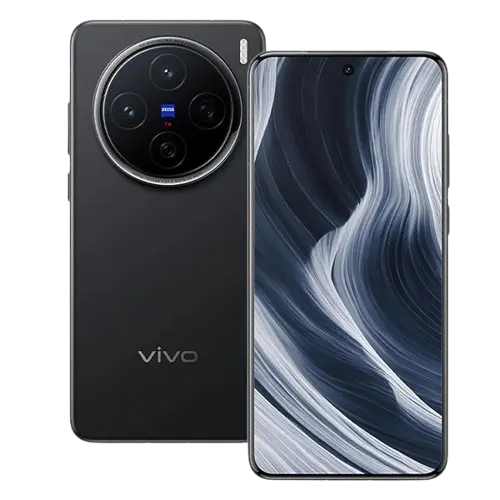
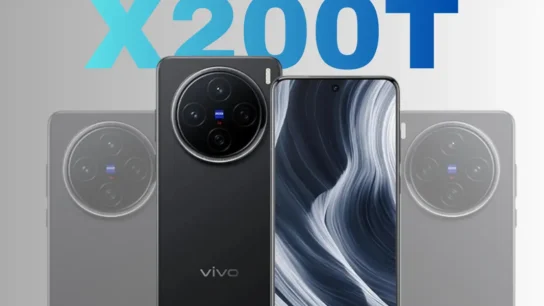
Vivo X200T
Display Comparison: LTPO vs LTPS Explained Simply
Both phones offer premium AMOLED displays with:
- 1.5K resolution
- 120Hz refresh rate
- Excellent outdoor brightness
The difference lies in panel technology:
- X300: LTPO AMOLED (1Hz–120Hz adaptive refresh)
- X200T: LTPS AMOLED (60Hz–120Hz adaptive refresh)
Real-world impact:
- LTPO on X300 can save more battery during reading and scrolling
- X300 has slightly punchier colors and symmetrical bezels
- X200T shows a mild red tint and thicker bottom bezel
Insight:
LTPO is more power-efficient for slow content like reading articles. LTPS is still great, just slightly less flexible.
Performance & Gaming: Benchmarks vs Reality
On paper, the X300 looks more powerful. In daily use, both phones feel equally fast. The real difference shows up during long gaming sessions.
Benchmarks:
- X300 scores higher in synthetic tests
- App opening speeds are nearly identical
Real gaming experience:
- X300 heats up faster during 30-minute gaming sessions
- X200T maintains more stable FPS
- X200T stays cooler under sustained load
Insight:
Compact phones like X300 tend to heat up more due to less internal cooling space. This affects long gaming sessions, even if the chipset is newer.
Battery Life & Charging (5G Stress Tested)
Both phones support:
- 90W wired charging
- 40W wireless charging
- Full charge in ~50 minutes
Battery sizes:
- X300: 6400mAh
- X200T: 6200mAh
3-hour 5G usage test:
- X300 battery drop: ~45%
- X200T battery drop: ~38%
Insight:
Despite a smaller battery, X200T lasts longer due to better thermal efficiency and optimization.
For heavy users:
Expect 1.5 days on X200T, around 1 day to 1.25 days on X300.
Camera Performance in Real-World Use
Main Camera:
- X300 captures slightly more detail
- X200T delivers similar colors and skin tones
Portrait Photography:
- Edge detection is excellent on both
- Natural background blur on both
- X200T competes closely with X300
Low Light:
- X300 retains more detail
- X200T softens images slightly
Video Recording:
- X300 offers:
- Dual video recording
- 4K 60fps portrait video
- 4K 120fps
- HDR video modes
- X200T lacks these advanced video features
Insight:
If photography is your priority, both phones are excellent.
If videography is important, X300 clearly offers more tools.
Software Experience & Long-Term Reliability
Both phones run Origin OS based on Android 16 and promise 5 years of OS updates.
Differences:
- X300 comes with fewer pre-installed apps
- X200T shows more bloatware (removable)
- X300 UI feels cleaner
- X300 gets extra customization options
Long-term reliability:
No critical bugs noticed on either phone during extended usage—this is a big positive for Vivo’s software stability.
Connectivity & Ports
Both phones support:
- 5G & 5G+
- Wi-Fi 6
- NFC
- IR Blaster
Key difference:
- X300: USB-C 3.2 (faster data transfer)
- X200T: USB 2.0 (slower file transfers)
This matters if you regularly move large video files.
Vivo X300 vs Vivo X200T: Which One Should You Buy?
This Vivo X300 vs Vivo X200T detailed comparison for gaming, camera & battery in India shows that paying extra doesn’t automatically mean better real-life performance.
Choose Vivo X300 if:
- You want better video recording features
- You prefer a compact phone
- You need faster USB data speeds
- You value LTPO display efficiency
Choose Vivo X200T if:
- You want better thermal management
- You play games for long sessions
- You want longer battery life on 5G
- You want maximum value for money
Pros and Cons
Vivo X300 Pros
- Compact premium design
- LTPO AMOLED display
- Better video recording features
- Faster USB port
Vivo X300 Cons
- Heats up more
- Slightly weaker sustained gaming performance
- More expensive
Vivo X200T Pros
- Better thermal management
- More stable FPS in gaming
- Longer battery life
- Better value for money
Vivo X200T Cons
- No advanced video features
- USB 2.0 port
- Slight display tint
Final Verdict
If you’re a content creator or mobile videographer, the extra ₹16,000 for X300 can be justified.
For gamers and everyday power users, X200T offers better real-world performance per rupee.
In 2026, optimization matters more than specs—and X200T proves that.
FAQ
Is Vivo X200T better than Vivo X300 for gaming?
Yes. Vivo X200T maintains more stable FPS and runs cooler during long gaming sessions, making it better for gamers.
Does Vivo X300 have better camera quality?
For photos, both phones are similar. Vivo X300 is better for video recording due to advanced video modes.
Which phone has better battery life on 5G?
Vivo X200T offers better battery life on 5G due to more efficient thermal management.
Is Vivo X300 worth ₹16,000 extra?
It’s worth it only if you need advanced videography features and compact design. Otherwise, X200T offers better value.