Last Updated - July 7, 2026 06:32 pm IST | Dhiraj Singh
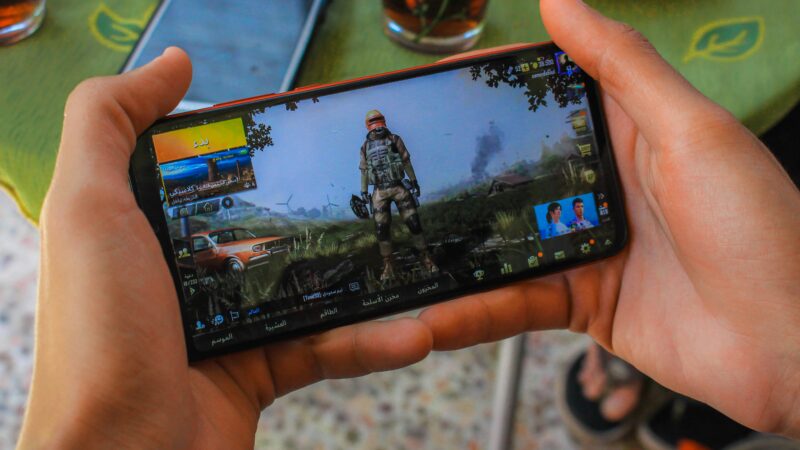
If you’ve been scrolling through YouTube or Instagram lately, you’ve probably seen “leaked” gameplay of budget phones hitting a flawless 120 FPS in BGMI. It looks buttery smooth, right?
But as someone who actually grinds the game, I’m going to give it to you straight: Under ₹25,000, “Constant 120 FPS” is a myth.
In this price bracket, the hardware is capable of hitting 120 FPS, but it’s like a sprinter trying to run a marathon at top speed—eventually, it’s going to gasp for air. Whether it’s a hot-drop in Pochinki or a chaotic event area with 40 people landing at once, your frames will drop. The question isn’t whether the phone will lag (it will), but how well it recovers.
Because of major changes in the smartphone market, our top recommendations have completely shifted. Here are the best BGMI 120 FPS phones you should actually look at, along with a realistic look at how they perform when the zone gets tight.

iQOO Neo 10r

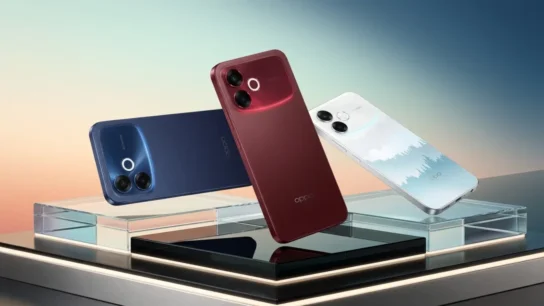
OPPO K13 Turbo Pro

Infinix GT 30 Pro
1. The Performance Beast: iQOO Neo 10R
The iQOO Neo 10R is absolute overkill for gaming, bringing a near-flagship processor down closer to the mid-range segment.
- The Reality: Powered by the Snapdragon 8s Gen 3, it handles casual Team Deathmatches (TDMs) at a locked 115–120 FPS without breaking a sweat.
- The Hot-Drop Test: In chaotic event drops, frames dip to around 95 FPS during initial parachute drops and heavy smoke/grenade action, but its large vapor chamber cooling helps it bounce back to triple digits faster than almost any other phone in this tier.
- Price: Launched at ₹26,999, but recent component price spikes have pushed its retail price closer to ₹31,990 (though major bank card offers can still slash it down to around ₹25,998).
Why Pick It: Best-in-class performance ceiling. The 144Hz 1.5K AMOLED display makes tracking enemies incredibly smooth, and the 6400mAh battery keeps you away from the wall outlet.
Why Leave It: Its price has crept past the strict ₹25k barrier due to current market trends, and the Schott Xensation Up glass protection isn’t quite as shatter-resistant as Gorilla Glass Victus.
2. The Heavy Artillery: Oppo K13 Turbo Pro
Oppo shocked everyone by putting a monster battery and active thermal engineering into a sleek frame.
- The Reality: Running on the elite Snapdragon 8s Gen 4 platform, its raw processing capability is unmatched.
- The Hot-Drop Test: This phone handles frame pacing exceptionally well. Even when 10 vehicles rush your squad simultaneously, it refuses to choke, maintaining a highly stable 100+ FPS.
- Price: Currently retailing around ₹29,999 for the 8GB/256GB base variant.
Why Pick It: A massive 7000mAh battery with 80W SuperVOOC means you can pull a 5-hour competitive grind session and still have juice left for the next day. It also features a built-in Micro Centrifugal Fan System and physical air ducts to blow heat directly out of the chassis, along with bypass charging.
Why Leave It: At 208 grams, it’s a heavy phone that can cause wrist fatigue during extended gaming sessions. Like the iQOO, it pushes past the original ₹25k budget line.
3. The True Budget Gaming Rig: Infinix GT 30 Pro
If you refuse to cross the ₹25k line even by a single rupee, Infinix remains the champion of dedicated gaming hardware.
- The Reality: The MediaTek Dimensity 8350 Ultimate is tuned for stability rather than pushing raw, aggressive frame peaks. It hits 120 FPS in clean scenarios and hovers at an average of 100 FPS in classic matches.
- The Hot-Drop Test: It will drop to the 80–85 FPS mark during extreme close-quarters combat (CQC), but because it uses hardware bypass charging (powering the motherboard directly without touching the battery), it avoids the sudden thermal spikes that cause game-freezing stutters.
- Price: Starts clean at ₹24,999 (base 8GB/256GB), making it the only phone on this list that sits comfortably under your budget without relying heavily on specific bank discounts.
Why Pick It: Features physical GT Shoulder Triggers built right into the body for effortless four-finger claw setups. It also boasts a stunning 144Hz LTPS AMOLED panel and a flashy, gaming-centric aesthetic.
Why Leave It: Charging speed is capped at 45W (significantly slower than Oppo and iQOO’s 80W), and the 108MP camera lacks Optical Image Stabilization (OIS), making its low-light photography quite weak.
Hard Truths: Why Are Smartphone Prices Rising?
If you’ve noticed that the best “under-25k” gaming phones are suddenly tracking closer to ₹30,000, you aren’t imagining things.
A massive global shortage of NAND flash storage and DRAM memory chips has forced component costs up across the board. Major semiconductor manufacturers have shifted a massive portion of their production lines over to enterprise-grade memory to feed the exploding global demand for AI data centers. Because general-purpose mobile memory supplies have drastically tightened, brands have been forced to roll out retail price hikes to protect their margins.
Comparison: Best BGMI 120 FPS Phones
| Phone | Chipset | Battery & Charging | Key Gaming Feature | Real-World Stability |
|---|---|---|---|---|
| iQOO Neo 10R | Snapdragon 8s Gen 3 | 6400mAh / 80W | 144Hz 1.5K Display | High (Climbs back to peak quickly) |
| Oppo K13 Turbo Pro | Snapdragon 8s Gen 4 | 7000mAh / 80W | Active Centrifugal Fan | Very High (Best thermal regulation) |
| Infinix GT 30 Pro | Dimensity 8350 Ultimate | 5500mAh / 45W | Hardware Shoulder Triggers | Medium-High (No sudden thermal lag) |
The Verdict: Which One Should You Pick?
- For Raw Performance: Pay the slight premium and get the iQOO Neo 10R. Its chip matches up beautifully with the 144Hz screen for pure competitive advantages.
- For Endless Endurance: Snag the Oppo K13 Turbo Pro. The combination of active fan cooling and a 7000mAh battery makes it a flawless streaming or grinding machine.
- For Pure Value Under ₹25k: Stick with the Infinix GT 30 Pro. It’s built for gamers from the ground up and won’t force you to stretch your wallet.
FAQ – Best BGMI 120 FPS Phone
Q: Does BGMI 120 FPS drain battery faster?
A: Yes, significantly. Expect roughly 25% faster battery depletion compared to playing on 90 FPS, as the CPU and display engine are working overtime.
Q: Why does my FPS drop during hot drops?
A: During major drops, your phone has to track and render positioning data, skins, and physics for dozens of nearby players simultaneously. Mid-range processors lack the massive CPU cache size found in premium flagships, resulting in brief frame drops while the hardware processes the sudden spike in data.
Q: Can a mobile cooling fan help maintain a locked 120 FPS?
A: It won’t stop the initial 1-second drop when a massive crowd renders, but it will prevent the phone from throttling due to heat buildup, ensuring your frame rate stays steadily above 100 FPS for hours.